


Key Takeaways
- The best neighborhood choice depends on lifestyle, budget, commute, and long-term plans, not just the listing price.
- Compare taxes, insurance, utility needs, HOA fees, maintenance, and transportation costs alongside the mortgage payment.
- Visit promising areas at different times to assess traffic, noise, parking, lighting, and activity.
- Review development, zoning, road projects, and property-specific conditions before making an offer.
Table Of Contents
- Why Neighborhood Choice Matters
- Set Priorities Before Touring
- Compare the Full Cost
- Study Commutes and Transportation
- Check Daily Life and Services
- Review Future Changes
- Visit More Than Once
- Use a Neighborhood Scorecard
- Use Local Guidance Wisely
- Final Buyer Checklist
Buying a home is also a decision about the streets, services, routines, and future changes surrounding it. When comparing areas across Knoxville and Knox County, Knoxville, TN real estate agent Bessie Whiteside can be a useful local resource. Bessie Whiteside’s website provides home-search, buyer, seller, and relocation information for people considering Knoxville-area real estate, helping buyers connect property decisions with neighborhood fit across Knoxville and nearby communities.
A house can check every box on paper and still be the wrong choice if the commute is frustrating, the monthly costs are higher than expected, or daily errands take too long. A thoughtful comparison process helps buyers see the difference between a home they like during a showing and a location that will work well for years.
Why Neighborhood Choice Matters
Location shapes far more than resale value. It affects how long it takes to get to work, whether a quick grocery run becomes a long drive, how often you use parks or greenways, and how peaceful the home feels during the evening. Two similarly priced homes can offer entirely different lifestyles. One buyer may prioritize easy access to downtown Knoxville, while another may prefer additional square footage, a larger yard, and quieter streets farther from the city center.
Set Priorities Before Touring Homes
Write down your priorities before touring begins. This reduces the chance that an attractive kitchen or staging details distract from practical needs. Separate your list into three groups:
- Must-haves: A realistic monthly budget, bedroom count, accessibility needs, school considerations, and a maximum commute.
- Nice-to-haves: A larger garage, mature trees, a bonus room, an upgraded kitchen, or a screened porch.
- Deal breakers: Frequent traffic congestion, steep access roads, drainage concerns, restrictive HOA rules, or an unacceptable noise level.
Compare the Full Cost of Living
A lower purchase price does not always create a lower monthly cost. Estimate the mortgage, property taxes, homeowner’s insurance, possible flood insurance, HOA dues, utilities, and likely maintenance. Older homes may offer character and established locations, but can require more spending on roofs, HVAC systems, windows, plumbing, or electrical updates. A farther-out home may provide more space, yet fuel, vehicle wear, and added commute time can change its true cost.
Study Commute and Transportation Patterns
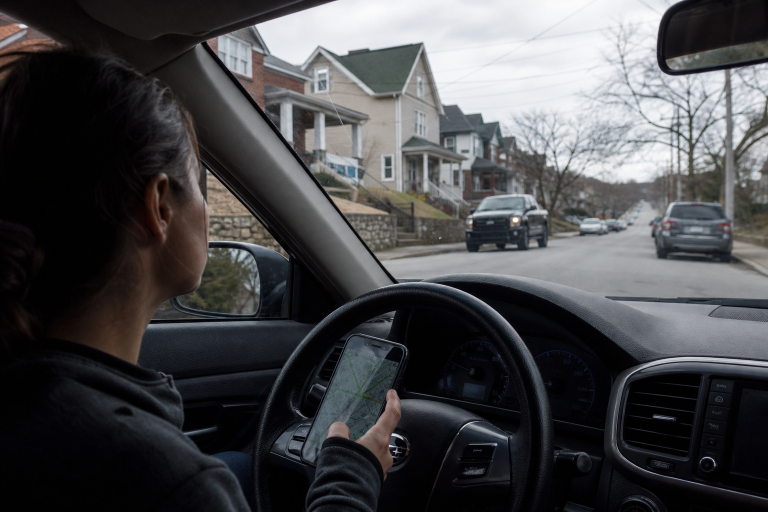
Map distance is only a starting point. Drive the actual route during morning and evening rush periods, and account for school drop-off traffic, construction, special events, bridges, and busy intersections. A home ten miles from work may take longer to reach than one farther away with easier interstate access. Also consider guest parking, household vehicles, walkability, and public transit options where relevant.
Check Daily Life and Local Services
Think through an ordinary week, not just move-in day. Compare access to grocery stores, pharmacies, urgent care, parks, restaurants, libraries, and reliable internet service if anyone works remotely. Observe sidewalks, street lighting, driveway grades, road width, drainage paths, and the condition of nearby homes. Listen for highway, rail, airport, commercial, or late-night activity noise that listing photos cannot reveal.
Review Future Neighborhood Changes
Research what may change near the property after closing. Check proposed road work, rezonings, nearby development applications, and the location of creeks, floodplains, slopes, and commercial corridors. The Knoxville-Knox County Planning growth resources can help buyers identify mapping tools and current planning cases. Growth is not automatically negative: new stores, roads, and services can increase convenience, while construction and traffic may affect short-term comfort.
For homes within city limits, it is also worth reviewing the City of Knoxville’s Neighborhood Traffic Safety program. It provides useful context about resident-led efforts to address speeding and traffic conditions on qualifying residential streets.
Visit at Different Times
Do not judge a neighborhood from a one-afternoon showing. Visit on a weekday morning, during evening traffic, on a weekend, and after dark. If drainage is a concern, revisit after substantial rain. Notice traffic speed, street parking, lighting, barking dogs, outdoor gathering spaces, and the overall rhythm of the block. These short field tests often reveal whether an area matches your expectations.
Use a Simple Neighborhood Scorecard
Score each area from one to five using the same categories. Assign more importance to the factors that matter most to your household:
- Monthly cost, 25%: Mortgage, taxes, insurance, utilities, fees, and anticipated repairs.
- Commute, 20%: Actual drive time, road access, parking, and transportation costs.
- Daily convenience, 15%: Stores, healthcare, recreation, and services.
- Home condition, 15%: Layout, age, maintenance needs, and renovation risk.
- Future outlook, 15%: Development activity, traffic changes, and resale appeal.
- Personal fit, 10%: Noise, pace, privacy, and the neighborhood atmosphere.
Know When Local Guidance Helps
A local real estate professional can help buyers compare pricing, home condition, common neighborhood concerns, and available records without relying solely on listing descriptions. Ask focused questions about comparable sales, property-specific risks, typical repair issues in older homes, and documents worth reviewing before an offer. Professional guidance should support, not replace, your own inspections, budgeting, and neighborhood visits.
Final Buyer Checklist
- Define your five most important neighborhood priorities.
- Set a complete monthly housing budget.
- Compare three to five potential areas using the same standards.
- Test commutes during busy periods.
- Visit each neighborhood more than once.
- Review taxes, insurance, utilities, fees, maintenance, and development activity.
- Score the trade-offs, then focus home tours on the strongest matches.
Choosing a Knoxville neighborhood with confidence requires a full-picture approach. Price matters, but daily convenience, transportation, home condition, future change, and personal comfort matter just as much. A consistent comparison process can turn a broad search into a practical decision that supports both your present routine and future plans.
