

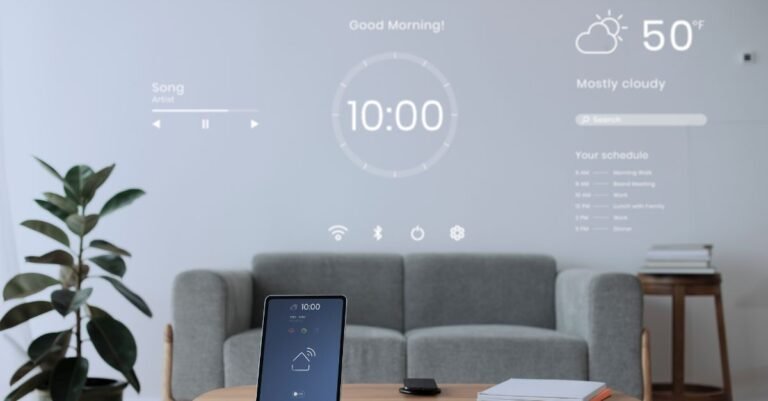
Key Takeaways
- Modern climate control systems use learning algorithms for a tailored, comfortable indoor environment.
- Adopting smart technologies can yield significant energy savings and positive environmental impacts.
- Integration with smart home devices enhances practicality and overall user convenience.
Table of Contents
- Personalized Comfort Through Learning Algorithms
- Enhancing Energy Efficiency and Sustainability
- Seamless Integration with Smart Home Ecosystems
- The Rise of Zoned Cooling Systems
- Advancements in AI and Predictive Maintenance
- Market Trends and Consumer Adoption
- Future Outlook: What’s Next for Smart Climate Control?
Advancements in smart climate control technology have significantly changed how homeowners approach comfort, efficiency, and convenience. Today’s systems go beyond simple programming, creating adaptive environments that match daily routines. As intelligent features become more standard, smart air conditioning solutions are central to improving indoor experiences for families and individuals alike.
The evolution of these systems emphasizes both personalized comfort and responsible energy use. Leading smart thermostats and climate control products can reduce waste, automate system management, and integrate with the broader smart home ecosystem. By adopting these technologies, homeowners gain real-time insights and hands-off efficiency from the comfort of their living rooms.
With increased demand for customized comfort, many homeowners are also looking to streamline upgrades with a professional air conditioning installation process. Adopting smart systems further simplifies long-term care and ongoing enhancements.
Personalized Comfort Through Learning Algorithms
Smart climate control systems today leverage algorithms that learn from a household’s daily patterns. These learning routines allow thermostats to predict when the home will be occupied or unoccupied and automatically adjust settings for the best possible comfort and efficiency. For instance, rooms cool down during sleep hours and warm up before the morning routine begins. Over time, homeowners can rely less on manual settings, as the system intelligently responds to actual usage and temperature preferences.
Enhancing Energy Efficiency and Sustainability
One of the defining strengths of smart climate control lies in its environmental and economic benefits. According to Consumer Reports, users of smart thermostats can see annual reductions in heating and cooling costs of up to 8 percent. This not only means lower utility bills each month but also reduces pressure on the energy grid, supporting sustainability goals at home and in communities nationwide.
Seamless Integration with Smart Home Ecosystems
The best smart climate control systems offer integration with an existing suite of smart home devices. By communicating with security systems, automated lighting, and smart locks, the climate control system knows when the house is empty or occupied and can trigger temperature adjustments accordingly. This seamless integration means users achieve ideal living conditions without having to program each device separately. For instance, unlocking the front door can prompt the air conditioning to begin adjusting to a preferred temperature, enhancing everyday convenience.
The Rise of Zoned Cooling Systems
Modern home designs increasingly incorporate zoned cooling, which allows homeowners to regulate temperatures in specific areas of the house. Zoned systems are highly efficient because they prevent wasted cooling in seldom-used rooms and provide greater flexibility to accommodate individual comfort preferences. As reported by the Los Angeles Times, this trend is a response to the way households use space differently throughout the day and week, offering practical solutions tailored to actual living patterns.
Advancements in AI and Predictive Maintenance
Artificial intelligence now plays a crucial role in optimizing both comfort and long-term HVAC system performance. Modern thermostats can detect irregularities in HVAC behavior, alerting homeowners to potential issues before they become system failures. By continuously analyzing system data, AI features support timely maintenance and ensure optimal function year-round. According to resources at The New York Times Wirecutter, these advancements represent one of the biggest leaps in home technology, providing continuous feedback to support preventive care and system longevity.
Market Trends and Consumer Adoption
The climate control market has seen rapid growth in recent years, with adoption rates rising as consumers become more aware of the benefits of smart technology. Manufacturers regularly introduce new features, such as adaptive temperature controls, presence sensors, and multi-platform compatibility, to capture growing interest. These innovations make it easier for households to maximize comfort, save money, and protect the environment. This broad appeal is further encouraged by widespread consumer education efforts through both online and in-person sources.
Future Outlook: What’s Next for Smart Climate Control?
As the smart home landscape evolves, future climate control systems will feature deeper connections with renewable energy resources and more advanced intelligence. Expect to see enhanced integration with solar panels, real-time weather data collection, and built-in diagnostics for continuous improvement. This progressive adoption is expected to deliver greater comfort, improved energy efficiency, and increased adaptability to each family’s unique lifestyle.
Smart climate control is rapidly transforming what it means to maintain a comfortable and energy-efficient home. By combining advanced learning, AI-driven maintenance, and seamless smart home integration, these systems offer effective solutions for today and sustainable homes of tomorrow.
