


Introduction
Understanding the distinction between misdemeanor and felony assault charges is critical for anyone facing, witnessing, or trying to prevent such incidents. The ramifications of an assault conviction can shape a person’s life for years—affecting employment, relationships, and freedoms. For anyone seeking guidance on handling these legal challenges, martinlawfirmpc.com offers valuable insights into criminal defense and the paths available for resolution. Understanding the differences between these charges enables individuals to make informed decisions when navigating the justice system.
Assault laws are designed to protect individuals and society from violence and threats. However, not all assault cases are treated equally. The courts carefully differentiate between acts based on intent, harm, the presence of weapons, and other aggravating circumstances. By learning how assault is defined and classified, you can better understand the potential legal consequences if such a charge arises in your life, either directly or indirectly.
Defining Assault
Assault is commonly defined as the act of intentionally causing another person to apprehend imminent bodily harm. This definition is broad—it can range from direct physical attacks to situations where mere threats create legitimate fear of injury. The law further divides assault into misdemeanor and felony categories based on several critical elements. These include the severity of the victim’s injury, whether a weapon was involved, and the overall context of the incident.
A simple verbal threat may be considered assault if the victim reasonably believes that harm will follow. In contrast, using a weapon or inflicting serious harm typically warrants a felony charge. Factors such as intent and the environment often play a significant role in the outcome, making legal consultation essential for anyone facing an investigation or charges.
Misdemeanor Assault
Misdemeanor assault—often called “simple assault”—occurs when someone causes (or threatens to cause) only minor injuries or emotional distress. Examples include scuffles where bruises result, verbal arguments that escalate into threats, or situations where physical force is minimal and does not involve weapons. For first-time offenders, penalties may include fines, community service, probation, or a jail term of up to one year. These punishments, although serious, are designed to be proportionate to lesser offenses and to facilitate rehabilitation and reintegration into society. According to resources from USA Today, repeat misdemeanor offenses or additional aggravating circumstances may result in harsher sentences, so it’s crucial to take even minor assaults seriously.
Felony Assault
Felony assault, sometimes referred to as “aggravated assault,” involves far more serious factors such as the deliberate infliction of significant bodily injury, the involvement of deadly weapons, or attacks against protected individuals like police officers, teachers, or emergency medical professionals. The intent behind the action is a key element in determining felony charges—did the accused intend to inflict grave harm or use force in a way likely to cause it?
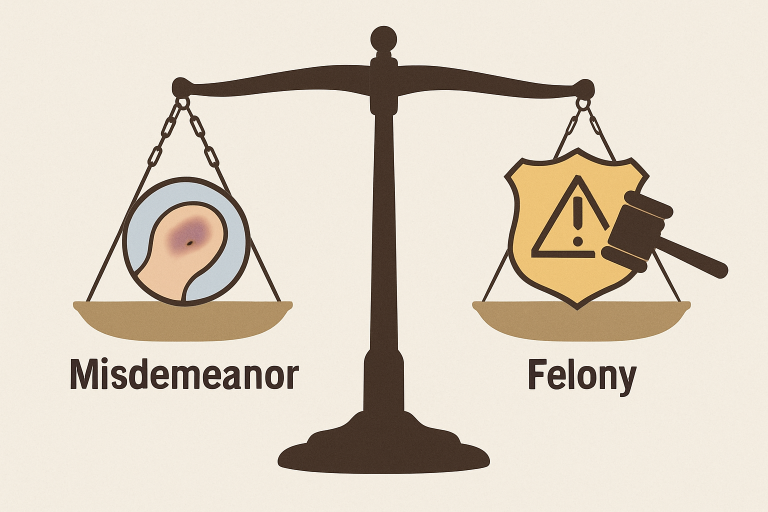
Penalties for felony assault are much more severe and can include prison sentences spanning several years, substantial fines, mandatory counseling programs, and long-term restrictions on rights and freedoms. In many jurisdictions, those convicted of felony assault face significant challenges even after serving their sentences—losing certain civil rights, having difficulty finding employment, and experiencing ongoing social and legal repercussions. As reported by USA Today, the burden of a felony conviction frequently continues for years, shaping opportunities and quality of life long into the future.
Key Differences Between Misdemeanor and Felony Assault
- Severity of Harm: Misdemeanor assault usually involves only minor or moderate injuries, whereas felony assault results in grave physical harm or substantial risk of serious injury, sometimes by use of a weapon.
- Potential Sentences: Those convicted of misdemeanor assault may face up to a year in jail. Felony assault convictions, however, often lead to prison terms of several years, depending on jurisdiction and circumstances.
- Criminal Record Impact: Misdemeanor charges, although still damaging, generally have less lasting effects on a person’s record compared to felony convictions, which can impact civil rights, employment, and housing for the remainder of their life.
- Court Process: Felony charges follow a more complex legal route, often involving indictments, pretrial hearings, and jury trials, as opposed to the relatively streamlined process for misdemeanor cases.
Factors Influencing Assault Charges
The transition from misdemeanor to felony assault isn’t automatic—several factors play crucial roles in determining the nature of the charge:
- Use of a deadly weapon during the commission of the assault.
- Infliction of severe physical injury or disfigurement on the victim.
- Assaults targeting individuals who are protected, such as law enforcement officers, healthcare professionals, or educators performing official duties.
- The accused’s prior criminal record, particularly past violent offenses.
Legal Consequences and Long-Term Impacts
Both misdemeanor and felony assault convictions carry lasting repercussions. A conviction—even for a misdemeanor—creates a permanent criminal record, which can limit access to jobs, education, and housing. For those convicted of a felony assault, barriers are even greater and might include losing the right to vote, own firearms, or participate in specific social and financial programs.
Life after a conviction often means overcoming public stigma and demonstrating rehabilitation and responsibility. Many who face such challenges seek professional help and support from community organizations to rebuild their lives. Navigating these legal proceedings is complex—securing experienced legal representation is one of the most important steps a person can take when charged with any form of assault.
Conclusion
Understanding the distinction between misdemeanor and felony assault charges is crucial for safeguarding yourself, your rights, and your future. Understanding the legal definitions, consequences, and processes surrounding these charges enables individuals to make informed decisions and seek the appropriate help when necessary. In all cases, knowledge is the first step towards a favorable legal outcome and a safer community.
