


Key Takeaways
- Effective strategies and frameworks are essential to minimize disruption during partnership and shareholder disputes.
- Proactive governance, clear agreements, and open communication help prevent conflicts from escalating.
- Seeking professional legal guidance early can often lead to faster, fairer resolutions.
Understanding Partnership and Shareholder Disputes
Disputes among business partners or shareholders can threaten the stability and future growth of any company. Such conflicts often arise from a lack of clarity in agreements, misalignment of interests, or breakdowns in communication. Addressing these disputes efficiently is critical to preserving value and maintaining trust among key stakeholders. Consulting with a New Jersey corporate contract dispute lawyer can be an essential first step for parties looking to resolve issues before they escalate.
Common triggers for disagreement include breaches of fiduciary duty, disagreements over business direction, financial matters, or perceived inequities in the distribution of profits and responsibilities. Firms that address these matters quickly are better positioned to avoid prolonged disruption and maintain a productive working environment.
The Root Causes of Disputes
Problems often originate from poorly drafted partnership or shareholder agreements, which can lead to confusion regarding each party’s rights and obligations. In some cases, changing market conditions or personal circumstances may challenge the assumptions and expectations established when the company was formed. Without robust dispute resolution mechanisms, minor misunderstandings can snowball into major legal battles.
Prevention starts with well-crafted, legally sound partnership and shareholder agreements. These contracts should specify how profits and losses will be shared, how decisions will be made, and outline procedures for handling disagreements. Including clear buy-sell and exit provisions can give everyone peace of mind if someone’s circumstances or intentions change unexpectedly. Thoughtful drafting can also address potential future changes that might affect the business structure or objectives.
Having a strong governance framework ensures that there are checks and balances in place to protect everyone’s interests. This means regular, transparent communication between partners or shareholders, defined leadership roles, and agreed-upon procedures for major decisions. Setting up advisory boards, utilizing independent accountants, and conducting annual reviews can provide extra layers of protection and clarity.
Many business conflicts escalate because parties avoid difficult conversations. Establishing a culture of openness and respect can make it easier to address concerns before they become crises. Encouraging regular meetings and active listening during these discussions creates trust and helps parties find common ground.
Resolution Mechanisms for Efficient Outcomes
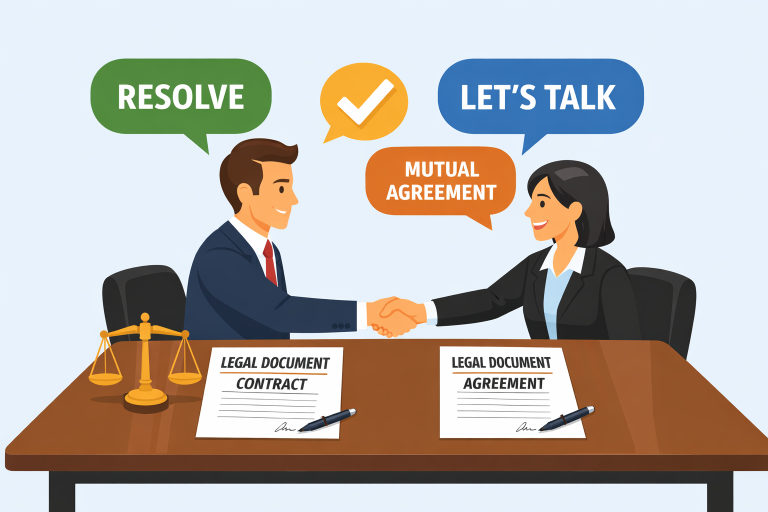
Even with the best preventive measures, disputes can still arise. Establishing clear resolution procedures within your company’s governing documents is vital. Mediation and arbitration are two popular, cost-effective alternatives to court litigation.
Mediation
Mediation involves a neutral third party who helps disputing parties find mutually acceptable solutions. It is less formal, and often quicker and more confidential, than a court proceeding. Mediation preserves relationships and can lead to agreements tailored to the unique needs of the business. For more insight into the advantages of mediation in dispute resolution, the Forbes article on mediation in business disputes offers a practical perspective.
Arbitration
Arbitration is a more formal process than mediation, but it remains private and can be faster and less expensive than court action. The parties present their cases to an arbitrator or panel, whose decision is usually binding. Arbitration is especially useful for technical or highly sensitive disputes where expertise and confidentiality are required.
These alternative dispute resolution processes often lead to more practical solutions, avoiding the drawn-out timelines and public exposure of litigation.
Legal Compliance and Protection of Interests
Ensuring legal compliance throughout any dispute process is essential. Experienced legal counsel not only helps interpret complex corporate agreements but also protects the rights of minority shareholders or partners. It is important that all corporate actions taken during a dispute are documented thoroughly, as this demonstrates good faith and can be beneficial if judicial intervention becomes necessary.
In some cases, courts can provide remedies such as buyouts, orders for dissolution, or enforcement of shareholder rights. These actions are typically seen as a last resort and underscore the importance of having reliable dispute resolution provisions built into your governance documents from the outset.
Conclusion
Partnership and shareholder disputes represent one of the most significant risks facing private companies, but these risks can be managed proactively. By investing in clear agreements, robust governance structures, and accessible dispute resolution procedures, businesses can safeguard relationships and organizational value. Most importantly, early intervention and professional legal advice remain the most effective strategies in achieving fair and durable resolutions. With the right groundwork, companies can turn potential crises into opportunities for greater alignment and future growth.
