

Key Takeaways
- Wildlife encounters enhance outdoor adventures by offering unique, memorable experiences.
- Responsible behavior during these encounters ensures safety for both humans and animals.
- Understanding animal behavior and habitats can lead to more meaningful interactions.
- Conservation efforts benefit from increased public interest generated by wildlife tourism.
Wildlife encounters are the heart of many outdoor adventures, transforming day trips and expeditions into profound, story-worthy memories. Whether you are hiking through remote forests, kayaking along serene rivers, or embarking on a guided wildlife tour, these moments offer a special connection to the natural world. For adventurers seeking expertise in some of the most pristine environments, working with a registered hunting guide Alaska can provide safe, informed, and unforgettable wildlife experiences across the Alaskan wilderness.
These interactions foster curiosity and awe, offering insights into animal behavior that cannot be gained from books or documentaries alone. By witnessing wildlife in their natural habitats, individuals gain heightened respect for the environment and are often inspired to become better stewards of the outdoors. Responsible travel and mindful observation ensure that both people and animals benefit from these unique interactions, allowing for magical moments that remain with adventurers for years to come.
Introduction
Stepping into nature offers much more than spectacular landscapes and solitude. Outdoor adventures provide the incredible opportunity to observe animals in their element. From birdwatchers quietly scanning treetops to trekkers pausing to let a herd of elk cross their path, these unplanned encounters create extraordinary chapters in any adventure story. By approaching each wildlife sighting as an opportunity for learning and respect, adventurers become part of a living, breathing ecosystem even if just for a moment.
In Alaska and similar wild destinations, such experiences can be safely navigated and deeply enriched by local knowledge. Guides who understand animal habits and migratory patterns can help visitors avoid disturbing wildlife and reduce their own risk, making wilderness travel safer and more ethically mindful. As a result, many modern adventurers prefer guided trips for both the added security and the wealth of information provided by seasoned experts.
The Impact of Wildlife Encounters on Adventurers
Wildlife encounters inject a sense of thrill and spontaneity into outdoor pursuits. Whether it is glimpsing a bear grazing along a riverbank or watching dolphins surf the wake of a boat, these moments are often cited as trip highlights. Travelers frequently share tales of unexpected and uplifting interactions. For example, as recounted by The Washington Post, a surprise visit by a penguin inside a guest room in Tasmania offered both a charming anecdote and a reminder of just how unpredictable and vibrant the natural world can be.
Personal Growth and Lasting Memories
For many, these encounters nurture a renewed sense of wonder and humility. Seeing a wild animal up close is a powerful reminder of nature’s complexity and the limits of our control over wild spaces. Adventurers often return home with stories and perspectives that last a lifetime, motivating them to support regional conservation initiatives or become involved in wildlife advocacy at home. The ripple effect of a single transformative encounter can extend far beyond the park or trail.
Responsible Behavior During Wildlife Encounters
Practicing responsible wildlife observation is vital for the safety of both people and animals. Experts advise travelers to maintain respectful distances, avoid feeding or touching wild animals, and use binoculars or telephoto lenses on cameras for safe, close-up views. National Geographic highlights the importance of not altering an animal’s behavior, as human interference can disrupt feeding, mating, and migratory routines.
The Role of Guides and Local Experts
Guides play a pivotal role in setting expectations and enforcing best practices. By following a guide’s instructions and learning more about local wildlife, adventurers can participate in safe, meaningful interactions and reduce their impact on sensitive ecosystems. This partnership between tourists and guides leads to memorable but responsible wildlife experiences that are sustainable for future generations.
Understanding Animal Behavior and Habitats
Recognizing how animals interact with their environment helps adventurers anticipate encounters and minimize disruptions. Certain animals are most active at dawn or dusk, while others rely on specific habitats for food, shelter, or breeding. Being mindful of these patterns allows outdoor enthusiasts to witness natural behaviors such as migratory flocks taking flight or predators on the hunt. Incorporating this knowledge into trip planning enhances the quality of each encounter and protects animal populations.
Enhancing Encounters Through Observation
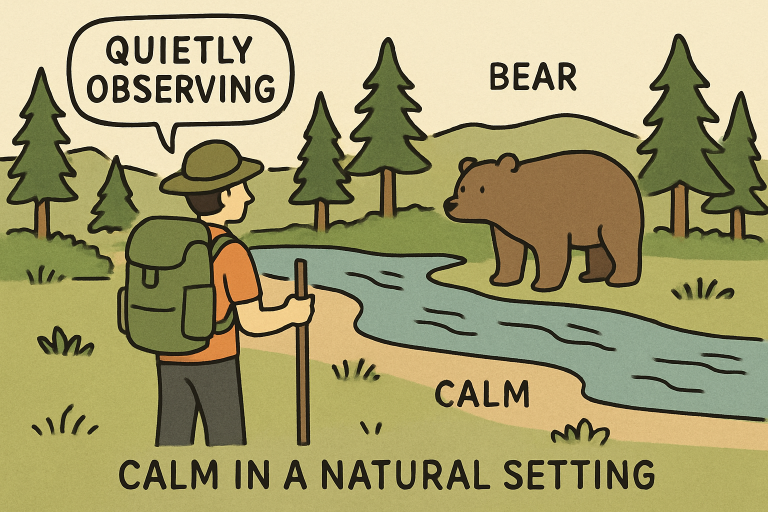
Observation skills and patience are invaluable tools. By moving quietly, scanning their surroundings, and learning to read subtle signs such as tracks or calls, adventurers increase their chances of experiencing authentic moments. These skills can be honed through field guides, ranger talks, and even online resources that offer in-depth insights into animal behavior research from around the world.
Conservation and Wildlife Tourism
Wildlife tourism fuels conservation funding and public engagement, helping protect threatened habitats and species. However, it is crucial to support operators and programs that are transparent about their methods, contribute to habitat restoration, and prioritize animal welfare. Choosing eco-certified tours amplifies the positive impact of each wildlife adventure, ensuring that encounters do not come at the expense of fragile ecosystems.
Long-Term Impacts of Responsible Tourism
As interest in ethical wildlife experiences grows, so does global awareness of the challenges facing vulnerable species. Well-managed wildlife tourism educates participants and channels resources to conservation professionals. Articles published by organizations like the World Wildlife Fund provide valuable information on how responsible tourism can make a meaningful difference in protecting wildlife for future generations.
Final Thoughts
Wildlife encounters are the cornerstone of many unforgettable outdoor adventures. By embracing responsible practices, learning about animal behavior, and supporting conservation-focused tourism, adventurers can experience the magic of the wild and leave a positive imprint on the places and creatures they encounter. Fostering this bond between people and nature benefits everyone, ensuring that these precious moments will continue to inspire, educate, and enchant for years to come.
