


Table of Contents
- Regular Maintenance and Inspections
- Clean or Replace Air Filters
- Keep the Outdoor Unit Clean
- Utilize a Programmable Thermostat
- Ensure Proper Home Insulation
- Use Ceiling Fans to Assist Cooling
- Monitor and Address Potential Leaks
- Schedule Professional Tune-Ups
- Additional Maintenance Resources
Maintaining your air conditioning (AC) unit not only keeps your home cool and comfortable but also saves you money on unexpected breakdowns and costly repairs. By following industry best practices, property owners can add years to their AC system’s lifespan. For those seeking reliable service and peace of mind in Middle Tennessee, consider partnering with a Mount Juliet air conditioning contractor to ensure everything runs smoothly throughout every season.
Neglecting regular check-ups and system care can allow minor issues to turn into significant problems. That’s why smart homeowners build easy routines that protect their investment and ensure their home remains comfortable, efficient, and healthy.
Addressing routine system needs can also improve indoor air quality by removing dust and allergens before they become a health risk. These tasks take little time but pay off in lower energy bills and fewer disruptions throughout the summer.
Regular Maintenance and Inspections
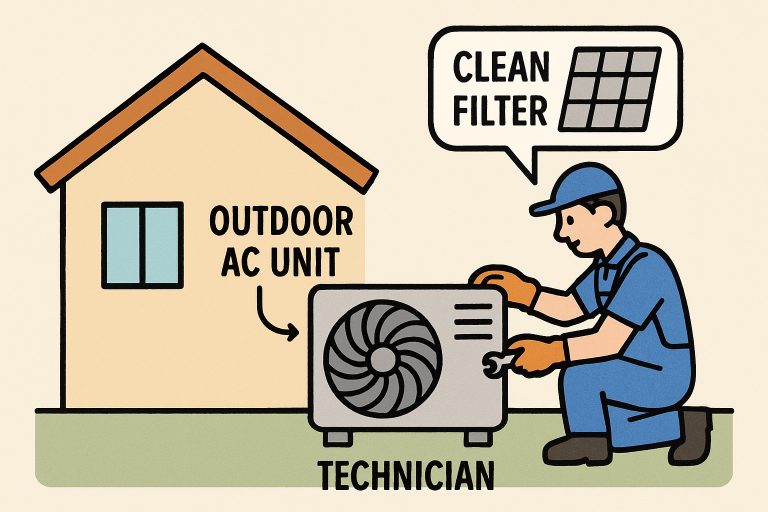
Routine maintenance is the backbone of extended AC unit life. Having your system checked by a certified HVAC technician at least once a year helps identify small issues, such as refrigerant leaks or worn belts, before they become expensive repairs. These inspections often involve testing controls, inspecting connections, lubricating moving parts, and verifying optimal refrigerant levels. According to the U.S. Department of Energy, these steps are essential for achieving home energy efficiency and optimal performance.
Clean or Replace Air Filters
Changing air filters is among the simplest yet most impactful AC maintenance tasks. Dirty air filters reduce airflow, forcing your unit to work harder and sometimes causing overheating or system failure. Check filters at least every 1-3 months and replace them more frequently if you have pets, allergies, or live in a dusty environment. Clean filters not only help the AC last longer but also promote better air quality for your family.
Keep the Outdoor Unit Clean
Your AC’s outdoor condenser unit needs adequate airflow to work efficiently. Ensure a clear, debris-free space of at least two feet around the unit by removing grass, leaves, and branches that can block vents and reduce cooling performance. Use a gentle stream of water to rinse off any buildup on the fins and coil, but be cautious not to bend delicate metal parts. External obstructions are a common source of inefficiency and breakdowns. Scheduling regular HVAC services can help maintain proper airflow, detect potential issues early, and keep your system operating at peak efficiency.
Utilize a Programmable Thermostat
Smart thermostats and programmable models enable users to automate temperature adjustments according to their schedules. By raising the set temperature when you’re at work or asleep, you reduce unnecessary wear on your AC unit. Over time, this not only extends the lifespan of your system but also reduces your energy consumption and monthly bills. Most modern thermostats can be controlled from your smartphone, making temperature adjustments simple and convenient.
Ensure Proper Home Insulation
Effective home insulation is a critical line of defense against repetitive system stress. Ensure that windows and doors seal tightly, and use caulk or weather stripping where needed. Attic and duct insulation help retain cool air indoors and block external heat, minimizing cooling cycles and reducing system wear and tear.
Use Ceiling Fans to Assist Cooling
Turn ceiling fans on while running your AC to better distribute cooled air and ensure even temperatures throughout your home. This lets you comfortably set your thermostat a few degrees higher, giving your AC some well-deserved rest. Ceiling fans use far less electricity than your central AC, adding up to substantial energy savings over time.
Monitor and Address Potential Leaks
Leaking refrigerant or water can damage your AC system and reduce its cooling capabilities. Check for damp spots, ice buildup on the coils, or hissing sounds—the most common signs of leaks. If you notice any of these symptoms or your system no longer cools as effectively, contact a local professional immediately to prevent further damage to your equipment.
Schedule Professional Tune-Ups
An annual tune-up from a qualified technician goes beyond the basics. During these visits, technicians clean the evaporator and condenser coils, adjust blower components, inspect electrical systems, and calibrate controls to ensure maximum efficiency. Scheduling these visits at the beginning or end of the cooling season can save you from unexpected outages during peak heat.
Additional Maintenance Resources
For more information on keeping your AC running for years to come, consult reliable resources or refer to your manufacturer’s maintenance manual.
Adopting these proactive steps can significantly extend the life and improve the performance of your air conditioning unit, ensuring years of reliable comfort and efficiency at home.
