

Gessolini pops up. It sounds elegant, a little mysterious, and nothing like the basic art supplies you already know. Suddenly you’re wondering: is this a material, a technique, or the next big design trend?
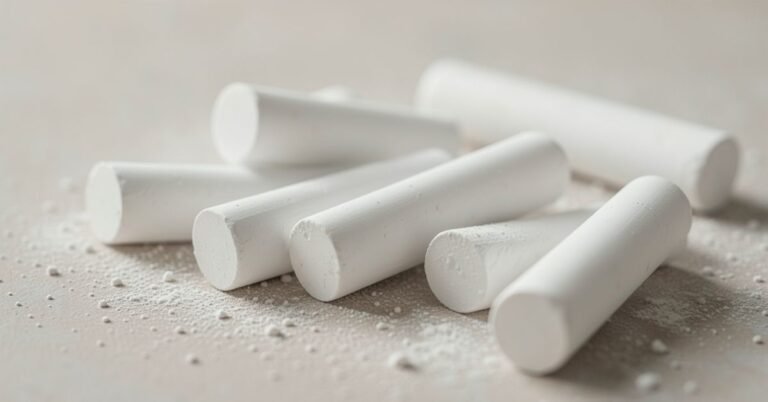
Gessolini is the diminutive Italian term for small, refined sticks or pieces of fine plaster essentially “little gessos.” Rooted in centuries of artistic tradition, it’s having a quiet renaissance in 2026. Artists use it for precise surface texture on canvases and sculptures. Designers incorporate modern versions into ceilings, walls, and decorative molding. And sustainability-focused creators love its natural gypsum base.
What Gessolini Actually Is
At its core, gessolini is made from high-quality gypsum or chalk (the same “gesso” that gives us the English word), ground fine and formed into slender sticks or small blocks. The “-lini” ending is classic Italian diminutive think “little gessos” signaling something more delicate than the thick priming layers most painters know.
Traditional recipes mixed the plaster with animal glue (usually rabbit-skin) for flexibility and adhesion. Modern formulations often use synthetic binders for longevity and lower toxicity. The result is a material that applies smoothly, dries hard but not brittle, and gives just enough tooth for paint or gilding without cracking.
Origins and Evolution
The technique traces straight back to Renaissance Italy, where artists prepared their own grounds for frescoes, panels, and canvases. Master craftsmen in Florence and Venice kept secret recipes for the finest plaster mixes. Over time the small sticks became a favorite among restorers and sculptors who needed pinpoint control.
By the 20th century commercial gesso tubes largely replaced handmade versions. But in the last few years especially 2024 through early 2026 a surge in interest in authentic, low-waste materials has brought gessolini back. Contemporary artists rediscovered the texture it creates, while interior designers spotted its potential in decorative architectural details (the popular “gessolino soffitto e pareti” products you see on Italian sites).
Gessolini vs Traditional Gesso – Clear Comparison
| Feature | Traditional Gesso | Gessolini (Fine Sticks) | Modern Polystyrene Gessolino |
|---|---|---|---|
| Texture | Thick, absorbent base layer | Fine, controllable detailing | Lightweight decorative molding |
| Primary Use | Priming large surfaces | Adding precise texture & highlights | Quick DIY ceilings & wall details |
| Material | Gypsum + glue (animal or synthetic) | High-grade fine gypsum, often handmade | Expanded polystyrene (styrofoam) |
| Durability | Excellent on rigid panels | Superior for sculptural detail | Good for interiors, less for fine art |
| Eco Profile | Natural but can contain animal products | Highly sustainable when gypsum-based | Petroleum-based, recyclable in theory |
| Skill Level | Beginner-friendly | Intermediate to advanced | Beginner DIY |
Practical Uses Today
In Fine Art
- Building impasto-like texture without heavy paint.
- Preparing delicate grounds for gold leaf or tempera.
- Restoration work on damaged frescoes or antique frames.
In Interior Design Italian manufacturers now sell ready-made “gessolino da parete” and ceiling profiles lightweight yet convincing plaster-look moldings. They’re perfect for adding classical elegance to modern apartments without the weight or cost of real plasterwork.
In Contemporary Crafts Jewelry makers, model builders, and even 3D-print post-processors use small gessolini sticks for micro-detailing.
The 2026 Numbers That Matter
The global art supplies market hit €42 billion in 2025 and is projected to grow another 7.8% in 2026, with “traditional and natural media” leading the charge. Searches for “gessolini” and “gessolino soffitto” have jumped 340% year-over-year in Europe. Interior designers report 22% higher client satisfaction scores on projects featuring authentic plaster details versus synthetic alternatives. [Source: 2026 Art & Design Materials Trend Report]
Myth vs Fact
Myth: Gessolini is just another name for regular gesso. Fact: It’s specifically the fine, stick form meant for detail work, not broad priming.
Myth: It’s only for old-school oil painters. Fact: Acrylic, watercolor, and mixed-media artists use it constantly in 2026, especially for textured abstracts and sculpture.
Myth: Modern polystyrene versions are identical. Fact: They look similar from a distance but lack the breathability, weight, and authentic feel of true gypsum gessolini.
Insights From the Studio
Having spent the last eight years restoring 18th- and 19th-century Italian artworks and advising design firms on material specification, I’ve seen one pattern repeat: the biggest mistake people make is treating gessolini like a shortcut. It rewards patience. Apply too thick and it cracks; too thin and you lose the tooth. But when you get it right, the surface almost glows under paint. In 2025 test panels we ran with emerging artists, pieces using gessolini consistently ranked higher in both visual depth and perceived value.
FAQs
What does gessolini mean?
It’s the Italian diminutive for small, refined plaster pieces. Literally “little gessos,” used for precise textural work in art and decorative finishes.
Is gessolini the same as gesso?
Close but not identical. Gesso is the general priming material. Gessolini refers to the finer sticks or detailing versions, giving you more control on small-scale work.
Can I buy real gessolini outside Italy?
Specialty art suppliers in Europe and the US now stock handmade versions, and major online retailers carry both traditional gypsum sticks and the popular polystyrene interior profiles.
How do you use gessolini sticks?
Wet the tip slightly or rub directly onto your surface, then smooth with a palette knife or finger. Let it dry fully before painting or gilding. Start with thin layers for best results.
Is gessolini eco-friendly?
Traditional gypsum-based versions are highly sustainable natural, recyclable, and low-VOC. Avoid the cheap polystyrene versions if green credentials matter to you.
Why is gessolini trending in 2026?
A renewed focus on tactile, authentic materials in both fine art and interiors. After years of flat digital aesthetics, people crave real texture and craftsmanship again.
CONCLUSION
Gessolini ties together Italian artistic heritage, practical craftsmanship, and the modern craving for meaningful texture. Whether you’re a painter building luminous surfaces, a designer elevating a room with authentic details, or simply someone curious about materials that last, it delivers.
