


- Book annual chimney inspections and cleanings to prevent fire hazards.
- Burn only seasoned hardwoods for efficient, clean fires.
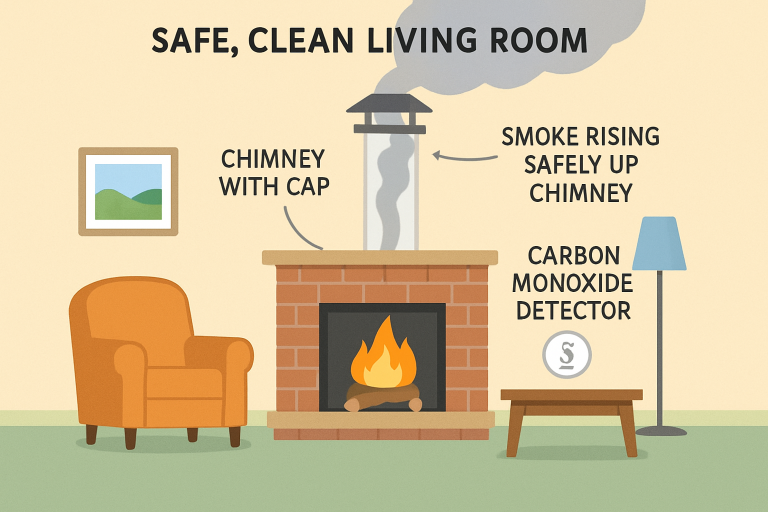
- Install carbon monoxide detectors to detect dangerous gases.
- Keep combustible materials away from your fireplace.
- Ensure proper ventilation and use chimney caps to prevent debris and animals from entering.
Maintaining a safe and efficient chimney is essential for every homeowner who enjoys the warmth and ambiance of a fireplace. Failing to address chimney care can result in severe consequences, including chimney fires and exposure to hazardous gases. If your chimney serves as an entry point for wildlife or unwanted pests, it’s wise to consider professional animal removal services Woodbridge VA, to protect your home’s environment.
Proper chimney maintenance not only enhances the longevity of your system but also ensures the health and safety of your household. By taking preventive steps, you can avoid costly repairs and emergencies. A proactive approach allows you to enjoy your fireplace worry-free throughout the year. Being attentive to your chimney also means reducing risks associated with smoke, gases, and fire hazards.
From scheduling annual inspections to staying vigilant for signs of damage, the following safety tips will help keep your chimney performing at its best, providing peace of mind for your family and guests.
Schedule Annual Chimney Inspections and Cleanings
Routine inspections are the first line of defense against chimney hazards. The Chimney Safety Institute of America (CSIA) strongly recommends that you have your chimney professionally inspected and cleaned at least once a year. These checkups catch creosote buildup, blockages, and potential structural issues before they escalate into emergencies. Creosote—a highly flammable residue from burning wood—can accumulate quickly, especially if wet or resinous wood is burned. Early detection and removal are crucial for fire prevention.
Use Seasoned Hardwood for Burning
Choosing the right firewood can make a significant difference in both safety and performance. Seasoned hardwoods, such as oak, hickory, and maple, burn hotter and produce less smoke and creosote buildup compared to green or softwoods. Seasoned wood is cut, split, and dried for at least six months, resulting in a moisture content of less than 20%. Using this type of wood leads to a cleaner, more efficient burn and minimizes the risk of chimney fires. Avoid burning treated wood, trash, or construction debris, as they release toxic fumes and contribute to dangerous accumulations in your chimney.
Install Carbon Monoxide Detectors
Carbon monoxide (CO) is a colorless, odorless gas that results from incomplete combustion. Even a small leak in your chimney can lead to CO entering your living spaces, posing severe health risks or even death. Equip every floor of your home, and especially the vicinity of bedrooms, with carbon monoxide detectors. Regularly check the batteries and test the alarms. For more detailed guidance, the U.S. Consumer Product Safety Commission provides extensive information about carbon monoxide poisoning safety.
Keep the Fireplace Area Clear
Fires spread quickly when combustible items are too close to a heat source. Arrange furniture, rugs, curtains, holiday decorations, and other flammable materials at least three feet away from the fireplace. Always use a metal or glass fireplace screen to contain sparks and embers, and to prevent pets or children from getting too close. Consider fireproof hearth rugs for extra protection.
Ensure Proper Ventilation
Good airflow is necessary for effective combustion and to keep smoke and fumes from entering your home. Blocked or poorly ventilated chimneys force dangerous gases back inside. Ensure the damper is open before lighting a fire, and keep doors between rooms open while your fireplace is in use. If your home has been tightly weatherized, consider opening a window nearby to boost airflow.
Install a Chimney Cap
A chimney cap acts as a protective shield, preventing rain, leaves, debris, and animals from entering your chimney. Water intrusion leads to rusting, spalling, and damage to the flue. A professionally installed chimney cap also discourages birds, squirrels, and raccoons from nesting inside, reducing the risk of blockages and associated hazards. It’s a simple upgrade with far-reaching benefits for chimney health and safety.
Avoid Using Flammable Liquids
Never use gasoline, kerosene, lighter fluid, or any other flammable liquids to ignite a fire in your fireplace. These accelerants create dangerous flare-ups and can result in uncontrollable fires that quickly spread up the chimney and into the home. Always use kindling or approved fire starters and build your fire gradually for a safe, steady burn.
Monitor for Structural Damage
Cracks in the chimney’s masonry, loose bricks, deteriorated mortar, or spalling (flaking off of the chimney’s exterior) are warning signs that require immediate attention. Moisture, freeze-thaw cycles, and settling foundations can all contribute to chimney structural issues. Address minor repairs promptly to prevent more costly damage and maintain the chimney’s integrity. Don’t forget to inspect the firebox and damper for signs of rust, corrosion, or deterioration as part of your regular maintenance routine.
Conclusion
By adhering to these proven chimney safety practices, you’ll enjoy cozy fires and added peace of mind each winter season. Regular inspections, proper burning habits, and attention to your chimney’s structure are essential for minimizing risks to your home and loved ones. When in doubt, enlist a certified chimney professional to handle assessment and repairs, ensuring your chimney remains a safe and reliable centerpiece for years to come.
