

Table of Contents
- Xeriscaping: Designing with Drought-Tolerant Plants
- Efficient Irrigation Systems
- Soil Management and Mulching
- Incorporating Hardscaping Elements
- Rainwater Harvesting Techniques
- Utilizing Native Plant Species
- Maintenance Tips for Sustainable Landscapes
- Conclusion
Landscaping in arid climates presents unique challenges, but with thoughtful planning, it is possible to create striking, low-water gardens that thrive year-round. The goal is to design outdoor spaces that conserve water, require minimal maintenance, and remain visually appealing. Incorporating options such as artificial grass products into your landscape strategy can play a major role in achieving a balance between sustainability and beauty in these environments.
From plant selection to efficient irrigation, every choice in arid-climate landscaping affects water consumption and ecosystem health. By focusing on water-wise approaches and using drought-resistant materials, you can ensure your landscape flourishes without excess resource use. Transforming dry spaces into lush, sustainable environments is within reach for homeowners, property managers, and businesses alike.
This guide covers proven landscape solutions specifically tailored for arid regions. Whether you’re starting from scratch or updating an existing landscape, understanding the importance of soil management, hardscaping, and native plant selection is crucial for long-term sustainability. Explore the practical ideas and techniques below to develop a resilient and eco-friendly landscape.
For those seeking additional low-water alternatives, artificial grass is worth considering. This option creates green, usable spaces that look vibrant with little to no water, further supporting smart resource management in dry conditions.
Xeriscaping: Designing with Drought-Tolerant Plants
Xeriscaping is a water-efficient landscaping method that emphasizes drought-tolerant plants. These plants require far less irrigation than traditional lawn grasses or exotic species. Succulents, cacti, lavender, and ornamental grasses bring color, texture, and variety to gardens without requiring excessive water. By grouping plants with similar water needs together, you can ensure efficient watering and healthier growth throughout the landscape. This approach also reduces the time and effort required to maintain your yard, making it ideal for busy property owners living in drier regions.
Efficient Irrigation Systems
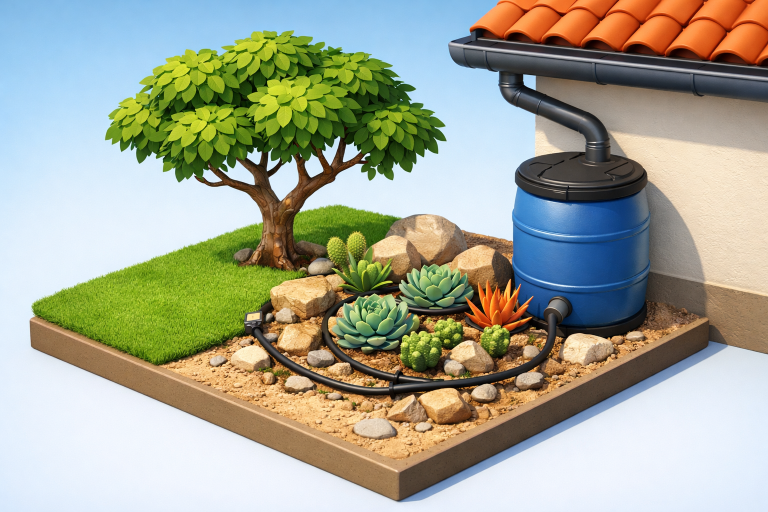
Water conservation is essential in arid environments. Installing efficient irrigation systems, such as drip irrigation, targets water directly to the plant roots where it is needed most. Unlike sprinklers, which can waste significant amounts due to evaporation and wind drift, drip systems are highly effective at minimizing water loss. Additionally, programmable timers and smart moisture sensors automatically adjust watering schedules based on seasonal weather and soil moisture levels. This ensures plants get the right amount of water while preventing over-irrigation and runoff.
Soil Management and Mulching
Well-managed soil is the backbone of any sustainable garden. Arid-climate soils often lack organic matter and may be compacted or sandy, making water retention a challenge. Amending the soil with compost or organic material boosts its ability to hold moisture and nutrients. Once the soil is improved, mulching is essential. A thick layer of mulch, made from bark, wood chips, straw, or even gravel, prevents water loss by shading the soil, suppressing weeds, and regulating soil temperatures. Regularly replenishing mulch supports plant health and reduces the need for frequent watering, even during peak summer months.
Incorporating Hardscaping Elements
Hardscaping refers to the use of non-plant elements such as stones, pavers, decorative gravel, and patios within a landscape. These features significantly reduce the area requiring regular watering, creating pathways and gathering spaces that complement the surrounding environment. For example, a well-designed outdoor seating area or dry creek bed not only reduces your property’s water footprint but also adds structure and visual interest. Hardscaping can form the backbone of a sustainable landscape, providing functional and attractive solutions in otherwise difficult growing conditions.
Rainwater Harvesting Techniques
Even in dry regions, rainfall can be captured and reused to maximize efficiency. Rainwater harvesting involves directing runoff from rooftops or other impervious surfaces into barrels, cisterns, or directly into landscape features such as swales. Storing this collected water allows for supplemental irrigation during dry spells and helps prevent erosion by slowing down water movement. Landscape grading and the use of permeable surfaces can further direct rainfall to areas that need it most. These techniques make the most of limited precipitation and support a more balanced hydrological cycle on your property.
Utilizing Native Plant Species
Native plants are perfectly adapted to local weather patterns, soil conditions, and natural rainfall. Choosing species native to your specific region ensures that your landscape will be more resilient in the face of drought. Native plants typically require less fertilizer, fewer pesticides, and minimal supplemental water once established. In the American Southwest, for example, agave, mesquite, and sagebrush are popular choices. Incorporating native flora not only fosters local biodiversity but also supports pollinators and wildlife.
Maintenance Tips for Sustainable Landscapes
Proper care ensures that sustainable landscapes remain attractive and productive over time. Regularly inspect irrigation systems for leaks and adjust watering times seasonally based on plant needs and weather conditions. Pruning overgrown plants, removing invasive species, and checking for signs of disease or pests help your plants thrive. Mulch should be replenished as it decomposes, and soil health can be boosted annually with compost. Managing these tasks as part of a routine makes it easier to maintain a thriving, eco-friendly garden.
Conclusion
Creating sustainable landscapes in arid climates is a practical approach to water conservation and environmental stewardship. By adopting xeriscaping, improving soil health, installing efficient irrigation, and incorporating both hardscaping and native plants, your outdoor spaces can become both resilient and beautiful. Thoughtful landscape choices not only save resources but also create lasting value for property owners and their communities.
