


Key Takeaways
- Recent FDA regulations have expanded the availability of medication abortion pills to retail pharmacies.
- State laws continue to influence access, creating a complex landscape for individuals seeking medication abortions.
- Legal challenges and court decisions play a significant role in determining the accessibility of these medications.
The availability and accessibility of medication abortion pills have seen notable shifts in recent years, spurred by both federal and state-level changes. As the FDA updated its regulatory stance, more people have become aware of their reproductive health options. Individuals in Florida and beyond may be searching for medical abortion services in West Palm Beach and similar options in their communities as these rules evolve. Keeping up with these changes is crucial for both patients and providers seeking clarity in a rapidly shifting healthcare environment.
Understanding how access has expanded, particularly through retail pharmacies and telehealth models, is essential for anyone navigating reproductive health choices. However, despite increased opportunities created by federal decisions, state-specific regulations and ongoing legal debates still present obstacles for many seeking medication abortion.
FDA’s Regulatory Changes
In January 2023, the U.S. Food and Drug Administration (FDA) approved an important change allowing certified retail pharmacies to dispense abortion pills with a valid prescription. Before this update, patients generally had to obtain these medications directly from doctors, clinics, or through specific mail-order services. The new policy enables broader participation, allowing major pharmacy chains and local pharmacies to provide the medication, provided they become certified. Retail and mail-order pharmacy access could significantly increase convenience for countless people, particularly in areas with sparse clinics. This step was designed to close service gaps for those with limited access to reproductive healthcare resources.
The FDA’s efforts to streamline medication distribution are partly a response to the broader conversation around bodily autonomy and healthcare access. As the demand for privacy and safer, non-invasive options grows, the role of retail and online pharmacies has become increasingly central to the public health landscape.
Impact of State Laws
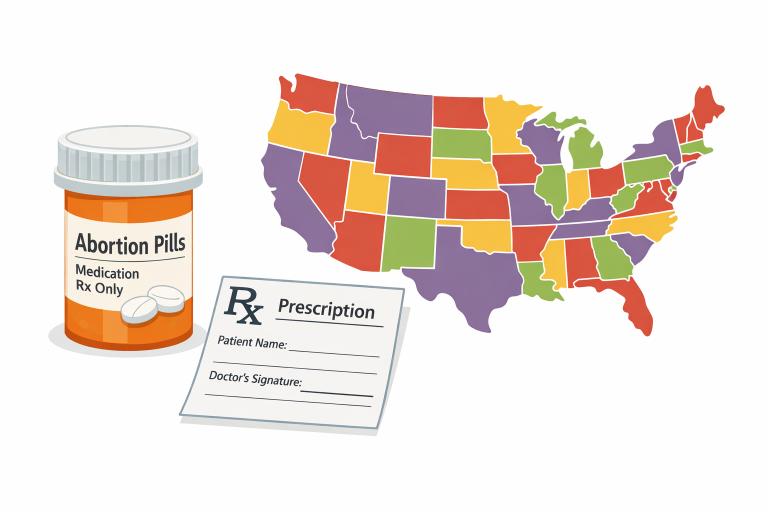
While federal regulations have paved the way for broader access, state governments maintain substantial power to restrict or shape abortion access within their borders. Around half of U.S. states have implemented legislation limiting or outright banning abortion, including restrictions specifically targeting medication abortion. These laws often override federal intentions, creating divergent realities across the country. For individuals in states with restrictive laws, access to medication abortion can remain virtually unattainable, regardless of changes at the national level.
This patchwork legal landscape can leave patients confused about what is allowed in their home state and may even deter some from seeking care due to uncertainty or fear of prosecution. Organizations like the KFF (Kaiser Family Foundation) provide detailed updates on state-level restrictions, helping Americans stay informed about their options.
Legal Challenges and Court Decisions
Ongoing litigation continues to shape access to medication abortion in America. In April 2023, the Supreme Court intervened during an appeals process to maintain access to mifepristone, one of the medications commonly used for abortion. This ruling paused lower courts’ efforts to suspend the FDA’s approval, temporarily ensuring the continued availability of the medication while legal questions are resolved. However, the outcomes of these cases remain uncertain, and further decisions could redefine access once again.
As the legal landscape evolves, individuals and healthcare providers must frequently adjust to changes in guidelines and risk assessments. These court decisions not only impact access but also influence how pharmacies, insurers, and clinics comply with conflicting federal and state regulations. Legal uncertainty remains a major barrier to stable, reliable access to healthcare.
Telehealth and Mail-Order Services
The adoption of telehealth has become a major driver of increased access to medication abortion. Telehealth allows patients to consult with doctors remotely and, where permitted by law, receive their prescription medication directly via mail. This model is especially vital for those who face logistical barriers to in-person visits with providers, such as individuals in rural areas or those with limited mobility. Reports suggest the telehealth approach has enabled many to seek abortion care safely and privately in regions where in-clinic options are limited.
This growing trend has garnered support from many public health advocates, who highlight telehealth’s potential to reduce healthcare disparities, particularly for populations facing systemic barriers to in-person medical care. However, it is still subject to the same state-imposed limitations that affect in-person access and can be blocked or restricted by local policymakers.
Public Opinion and Support
Public sentiment around medication abortion and broader access options has been evolving over recent years. National surveys indicate that support for expanded access, including over-the-counter options and advance provision, has risen. This is especially notable among individuals in states with restrictive laws and among those who traditionally have had the most difficulty obtaining reproductive health services.
This shift in opinion reflects increased awareness and advocacy efforts centering on reproductive autonomy and equitable healthcare. The data also suggest a growing recognition of the value of medication abortion as a safe, effective, and necessary component of healthcare services.
Challenges and Considerations
Despite regulatory advancements and growing public support, real barriers remain for many people. Some pharmacies may hesitate to seek certification due to administrative burdens or concerns about legal repercussions, particularly in conservative states. Patients in states with harsh restrictions still struggle to access care, and ongoing legal battles leave the future uncertain. Even in states with expanded access, stigma and misinformation can prevent individuals from taking full advantage of their reproductive healthcare rights.
Navigating these complexities demands up-to-date information, support from advocacy organizations, and a willingness from providers and pharmacies to engage in ongoing education and compliance. As opponents and supporters of abortion access continue to shape public discourse and law, the situation is likely to remain fluid.
Conclusion
The landscape for accessing medication abortion in the United States is marked by rapid change, conflicting regulations, and ongoing legal battles. Recent FDA changes have broadened opportunities at the federal level, particularly through pharmacy and telehealth channels, while state laws often serve as substantial roadblocks. Continued legal and political challenges, combined with evolving public opinion, ensure that the story is far from settled. Individuals and healthcare professionals must remain informed and vigilant as new developments unfold to support comprehensive and equitable reproductive healthcare for all.
