


Key Takeaways
- Determine the purpose of your rifle to narrow your selection.
- Select a caliber that matches your intended use and game type.
- Pick an action type that fits your style and hunting environment.
- Ensure the rifle is ergonomically suited to you for comfort and precision.
- Invest in optics that match your shooting goals.
Choosing the right rifle is an important decision for any shooter, whether you are hunting, practicing target shooting, or seeking home defense options. With various models, calibers, and features available, the selection process can feel overwhelming. Understanding the basics, like the intended purpose and specific style requirements, will ensure you make a choice that fits your needs. If you are looking for options and want to browse a selection right away, you can explore a wide variety of hunting rifle Canada available online.
This guide will outline the factors to consider so you can confidently select a rifle that enhances your experience while prioritizing safety and accuracy. Whether you are new to firearms or have years of experience, refining your criteria is key to satisfaction and performance.
Determine Your Purpose
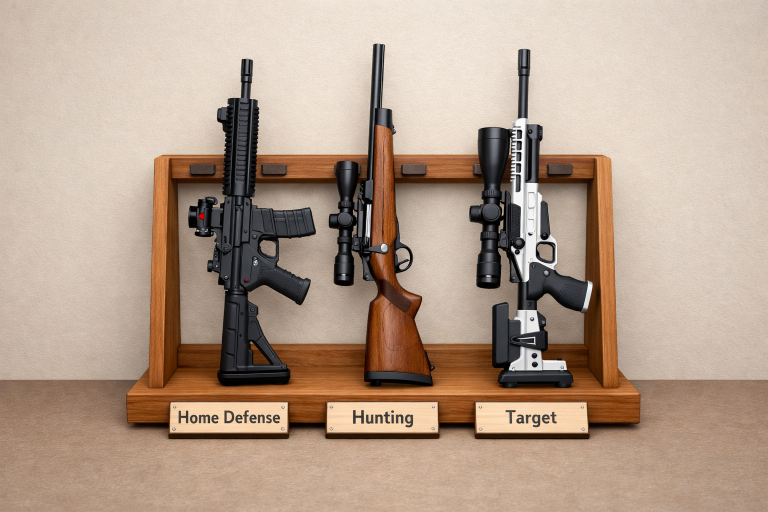
Before making any purchase, identify how you intend to use your rifle. If you are a hunter, your needs will differ from those of someone participating in competitive shooting or home security. Hunting rifles are often designed for power and accuracy at varying distances, while competition rifles might focus on repeatability and lighter triggers to aid rapid, precise shooting. Home defense rifles tend to emphasize maneuverability and quick handling for close encounters.
Reflect on the environments you will be shooting in and whether you require something compact or suited to longer range work. Evaluating these details at the outset helps prevent buyer’s remorse and ensures your selection supports both safety and success.
Choose the Appropriate Caliber
Caliber refers to the diameter of the bullet and is central to the rifle’s effectiveness. Each application requires a specific caliber for ethical and safe performance. For instance, small game hunting or plinking often relies on the low-recoil .22 LR, which is inexpensive and widely available. For medium-sized game such as deer, rounds like the .243 Winchester or .270 Winchester strike a balance between power and manageable recoil. If you intend to hunt large game such as elk or moose, calibers like the .308 Winchester or .30-06 Springfield are common choices due to their greater stopping power.
Match the caliber both to your quarry and to your personal tolerance for recoil and noise. Using the appropriate caliber is not just about power; it ensures humane harvests and responsible firearm use.
Select the Right Action Type
The action type of a rifle determines how it loads, fires, and reloads. The three main types each offer unique benefits:
- Bolt-Action: Known for rugged reliability and accuracy, making it the go-to for many hunters and precision shooters.
- Semi-Automatic: Allows swift follow-up shots, ideal for some hunting conditions and target-shooting competitions. Typically requires more maintenance but offers excellent versatility.
- Lever-Action: Famed for classic styling and moderate firing speed, well-suited to environments like dense woods where quick shots at close to medium range are needed.
Think about your comfort with each mechanism, as well as the legal restrictions in your region, before finalizing your choice.
Ensure Proper Fit and Comfort
Physical fit matters as much as performance specifications. A poorly fitting rifle can hurt accuracy and make shooting uncomfortable or even unsafe. Key fit factors to check:
- Length of Pull: There should be a natural, relaxed distance between shoulder and trigger, with your cheek comfortably against the stock.
- Weight: Heavy rifles tame recoil but can be tiring to carry for long periods, while lighter ones may kick more but are easier to maneuver, especially in the field.
- Stock Shape: Should fit ergonomically with your hands and allow you to maintain solid, repeatable positioning during shooting sessions.
Testing different models in-store or at a range helps you find a rifle that feels like an extension of your own body.
Invest in Quality Optics
Optics are as important as the rifle itself for many shooting applications. A dependable, well-chosen scope can help maximize your effective range and precision, especially when hunting challenging game or shooting competitively. Look for optics with clear glass, sturdy construction, and features suited to your conditions, like variable magnification or weather resistance.
A well-matched scope often increases your chances of success more than incremental improvements in your rifle’s make or caliber. Avoid compromising on budgetary scope, as optical clarity and reliability are vital for real-world use.
Consider Material and Build Quality
The materials in a rifle’s build impact its durability and performance under different conditions. Barrels made from stainless steel resist corrosion and withstand harsh weather, while carbon steel is usually lighter but requires regular maintenance. Stocks come in traditional wood (which offers a classic feel), lightweight synthetic (which withstands the elements), or composite designs that blend convenience with resilience.
Your personal preference, local climate, and willingness to perform maintenance will help dictate the best choice for you.
Budget Wisely
Setting a realistic budget means accounting for the rifle itself, the optics, ammunition, and necessary accessories like cases or cleaning kits. Cutting corners on quality may cost more over time due to repairs or inadequate performance. Consider also reserving funds for safety courses or range practice to ensure you can use your new rifle well and responsibly.
Seek Professional Advice
Leverage the wisdom of experienced shooters, firearms instructors, or sales professionals at reputable dealerships. Many knowledgeable individuals are pleased to share firsthand insights and recommendations. Trying out rifles at a range or discussing your needs in detail with a professional can dramatically refine your options and increase confidence in your decision.
Final Thoughts
Selecting the right rifle requires careful attention to purpose, caliber, action type, ergonomic fit, and quality components. By following these guidelines and seeking expert guidance when needed, you will ensure your purchase supports a safe, satisfying, and successful shooting experience.
