

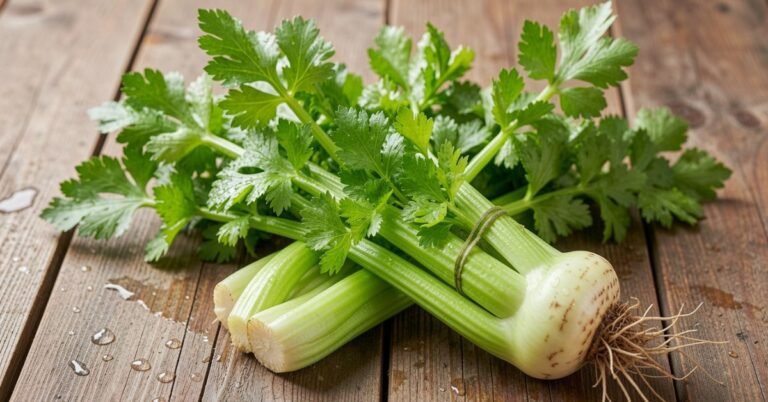
Pravi celer is simply the real, whole-plant version of the celery you already know stalks, leaves, and that knobby root (celeriac) included. In Croatian and other Slavic languages, “pravi” means true or authentic, and that one word captures why people keep searching for it in 2026.
It’s not about hype. It’s about using the entire plant the way traditional cooks and healers have for centuries. This guide cuts through the noise: what pravi celer actually is, why its nutrient profile punches above its weight, the latest studies on blood pressure and digestion, practical ways to eat more of it, and the small differences that separate it from the pale supermarket stalks most of us buy.
What Pravi Celer Really Is (And Why the Name Matters)
Pravi celer is the common name for Apium graveolens garden celery or wild celery’s cultivated cousin. It grows as a biennial herb in the Apiaceae family, the same one that includes carrots, parsley, and fennel. In everyday language across Croatia, Serbia, Slovenia, and neighboring regions, calling it “pravi celer” distinguishes the full, aromatic plant from just the blanched stalks sold in many Western grocery stores.
The entire plant gets used: crisp stalks for snacking and juicing, feathery leaves for flavoring soups and stocks, and the swollen root (celeriac) roasted or grated raw. That whole-plant approach is what gives pravi celer its reputation for stronger aroma and deeper nutrition compared to the mild, stringy varieties bred purely for crunch.
Quick Botanical Snapshot
- Scientific name: Apium graveolens
- Origin: Mediterranean and Middle East, cultivated for over 3,000 years
- Parts used: stalks, leaves, seeds, root (celeriac)
- Taste profile: crisp, slightly peppery, with earthy undertones in the root
Nutrition Breakdown: More Than Just Crunchy Water
Pravi celer is 95% water, which is why it feels light, but the remaining 5% packs antioxidants, fiber, and key minerals. A 100g serving of stalks delivers roughly 16 calories yet still supplies meaningful amounts of vitamin K (up to 30% DV), vitamin C, potassium, folate, and beta-carotene. The root adds even more fiber and a different mineral profile.
Pravi Celer Nutrition per 100g (Stalks)
| Nutrient | Amount | % Daily Value (approx.) | Key Benefit |
|---|---|---|---|
| Calories | 16 kcal | <1% | Weight management |
| Water | 95g | – | Hydration |
| Fiber | 1.6g | 6% | Digestion & gut health |
| Vitamin K | 29 µg | 24% | Bone health & blood clotting |
| Vitamin C | 3 mg | 3–4% | Immunity & antioxidant support |
| Potassium | 260 mg | 6% | Blood pressure regulation |
| Folate | 36 µg | 9% | Cell repair |
[Source: Aggregated 2026 nutrition databases and recent analyses]
The leaves and seeds concentrate even higher levels of flavonoids and essential oils.
Health Benefits Backed by Real Research
The science has caught up to what grandmothers in the Balkans have known forever. Phthalides in celery relax blood vessels. Antioxidants fight inflammation. High water and fiber content support digestion without weighing you down.
A 2025 meta-analysis found celery preparations significantly lowered systolic and diastolic blood pressure, fasting glucose, and triglycerides. Another 2026 clinical trial on celery seed extract showed measurable drops in blood pressure, triglycerides, VLDL, and uric acid after 12 weeks. These aren’t miracle claims just consistent, modest improvements when used regularly as part of a balanced diet.
Other well-documented perks: natural diuretic effect (helps reduce bloating), support for joint comfort through anti-inflammatory compounds, and a low-glycemic profile that fits almost any eating plan.
Pravi Celer vs Everyday Celery vs Celeriac: Side-by-Side
| Feature | Pravi Celer (Full Plant) | Supermarket Stalk Celery | Celeriac (Root Only) |
|---|---|---|---|
| Flavor intensity | Strong, aromatic | Mild, sometimes bland | Earthy, nutty |
| Parts used | Stalks + leaves + root | Mostly stalks only | Root only |
| Fiber content | Higher (whole plant) | Moderate | Very high |
| Best for | Soups, juicing, traditional recipes | Snacking, salads | Roasting, mash, slaw |
| Nutrient density | Highest | Lower (water-focused breeding) | Excellent minerals |
| Availability | Farmers’ markets, specialty stores, home gardens | Everywhere | Seasonal, specialty |
Myth vs Fact
Myth: Pravi celer is just fancy marketing for regular celery.
Fact: The name highlights the whole-plant, traditional variety with stronger flavor and fuller nutrient use exactly what many modern “celery juice” fans are rediscovering.
Myth: It’s only useful for weight loss because it’s basically water.
Fact: The fiber, potassium, and bioactive compounds deliver measurable metabolic and cardiovascular support beyond hydration.
Myth: Only the stalks matter.
Fact: Leaves and root are where much of the aroma and concentrated nutrients live traditional recipes never waste them.
The Kitchen and the Garden: Practical Experience
After years testing recipes and growing plots in Mediterranean-style gardens, the biggest mistake people make is treating pravi celer like a plain vegetable instead of a flavor powerhouse. Use the leaves like parsley in stocks. Roast the root with olive oil and herbs it caramelizes beautifully. And yes, celery juice (sok od celera) works best when you include some leaves for extra brightness.
Storage tip: Wrap stalks in damp paper towels and keep in the fridge crisper. The root lasts weeks in a cool, dark place.
Growing your own? It loves consistent moisture and rich soil. Start seeds indoors 10–12 weeks before last frost. Harvest outer stalks continuously for a longer season.
FAQs
What does “pravi celer” literally mean?
Pravi means true or real, and “celer” is celery. It’s the everyday Croatian/Slavic name for garden celery (Apium graveolens), emphasizing the authentic, full plant used in traditional cooking and remedies.
Is pravi celer different from regular celery I buy at the store?
It’s the same species but usually a less hybridized variety with stronger flavor and fuller use of leaves and root. Supermarket celery is often bred for mild taste and long shelf life, while pravi celer keeps more of the classic aroma and nutrition.
How do I use the root (celeriac)?
Peel, then roast, mash, or shred raw for slaw. It has a milder, nuttier taste than the stalks and pairs especially well with potatoes or in winter soups.
Can pravi celer help with blood pressure?
Yes multiple 2025–2026 studies show celery compounds (especially from seeds or extracts) can lower systolic and diastolic pressure. Whole-food use adds fiber and potassium for extra support.
Is celery juice from pravi celer better than plain stalks?
Including leaves and occasional root bits gives a more balanced flavor and slightly higher antioxidant levels. Drink fresh and pair with a balanced diet for best results.
Are there any safety concerns?
Generally very safe. People with celery allergies (common in the Apiaceae family) should avoid it. Pregnant women can enjoy normal amounts but should check with a doctor before using concentrated seed extracts.
CONCLUSION
Pravi celer isn’t complicated. It’s celery done right stalks for crunch, leaves for aroma, root for depth. In 2026 it reminds us that sometimes the oldest vegetables still hold the smartest nutrition tricks: hydration, fiber, blood-pressure-friendly compounds, and enough flavor to make everyday meals exciting.
The next time you see celery at the market, grab the bunch with the darkest leaves and strongest scent. Or try growing your own. Either way, you’ll taste the difference that “pravi” makes.
