


Table of Contents
- Introduction
- Understanding the Road Test Requirements
- Mastering Essential Driving Skills
- Familiarizing Yourself with Test Routes
- Ensuring Vehicle Readiness
- Managing Test Day Nerves
- Communicating Effectively with the Examiner
- Practicing in Varied Conditions
- Taking Mock Tests
Preparing for your road test can be intimidating, but with the right approach, you can maximize your chances of success. Whether you are taking your driving exam for a car or looking for a walk-in road test for motorcycles Hamtramck, MI, having a solid game plan is key. The road test measures not just your driving skills, but your readiness and ability to stay composed under pressure.
Many candidates struggle due to a lack of reliable guidance or incomplete preparation. However, if you break down the process into manageable steps and pay attention to critical details, you can go into your exam day feeling well-equipped and confident. Reviewing what to expect and practicing targeted skills before your appointment makes a huge difference.
The more familiar you are with the test structure, common driving routes, and examiner expectations, the easier it will be to demonstrate your readiness. Consistent practice is crucial, and so is ensuring your car meets safety and documentation standards. Your focus, attitude, and communication skills round out your preparation and are just as important as your technical driving abilities.
In this article, you’ll discover a clear roadmap to getting your license on the first try, including expert guidance and essential resources to boost your performance. Investing the time to thoroughly understand the process is an investment in your independence and safety on the road.
Understanding the Road Test Requirements
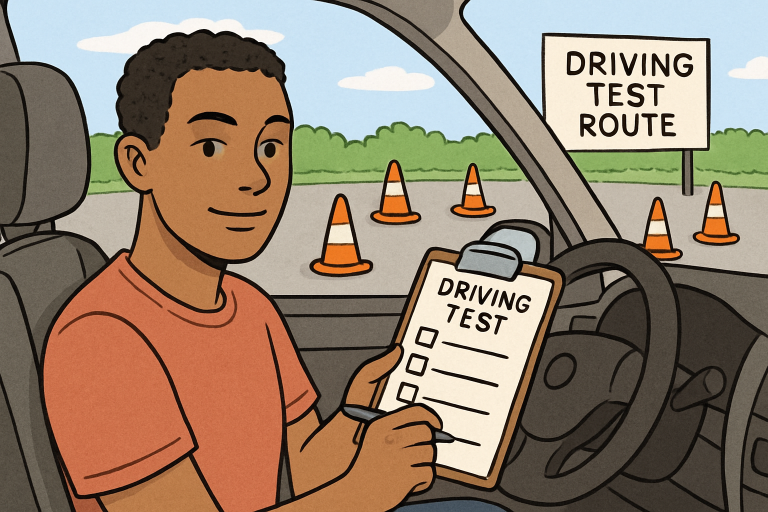
Before you schedule your road test, confirm that you’ve fulfilled all prerequisites. Most states require you to hold a valid learner’s permit and complete any mandated pre-licensing or driver’s education course. Visit your local Department of Motor Vehicles website or office for details on paperwork, fees, and identification requirements. Failing to bring even a single required document can prevent you from testing, causing unnecessary stress and delays.
It’s also important to review the testing procedure for your area. Road tests generally cover a range of skills, including parallel parking, reversing, making safe turns, and observing traffic laws. Knowing exactly what’s expected will inform your practice sessions and give you clarity of focus. The DMV’s official handbook often provides essential details about the required maneuvers and scoring guidelines.
Mastering Essential Driving Skills
Driving skill proficiency is non-negotiable for passing your road test. Examiners want to see that you can complete basic maneuvers safely and confidently. Make sure you can:
- Complete Stops: Make full, deliberate stops at every stop sign and red light. Rolling stops are a leading cause of failure and pose real-life safety risks.
- Three-Point Turns: Practice these in calm neighborhoods. Clearly signal, check surroundings, and execute the maneuver smoothly and safely.
- Lane Changes: Always signal, check mirrors and blind spots, and smoothly merge lanes. Sudden or hesitant behavior during lane changes can lower your score.
Repeat these core skills until your actions become quick and instinctive. This will lower anxiety and ensure that you react correctly during the actual test.
Familiarizing Yourself with Test Routes
Although you might not know the exact route assigned on test day, many DMVs use set patterns or common streets. Scout out likely locations and drive through them multiple times at varying times of day. Focus on:
- Residential streets with frequent stop signs and pedestrian crossings.
- Heavily trafficked intersections are equipped with different types of traffic signals.
- Speed-sensitive school zones and areas with unpredictable hazards.
When you know the roads where you will be tested, you can mentally prepare for tricky turns, lane merges, or unmarked crossings.
Ensuring Vehicle Readiness
Your test vehicle is a direct reflection of your responsibility as a driver. Inspect your car thoroughly to ensure everything is functioning. Check:
- All headlights, taillights, hazard lights, turn signals, and brake lights.
- Side and rearview mirrors for clear, adjustable vision and secure seatbelts for all seats.
- Up-to-date registration, insurance proof, and inspection certificates if required.
Arriving with a clean, well-maintained car prevents avoidable issues that could cause a reschedule. Many states will not even allow you to start the test if your vehicle fails a safety check.
Managing Test Day Nerves
Nerves affect even the best-prepared test-takers. Calm your mind by establishing a relaxing routine the night before and the morning of your exam. Get plenty of rest, as fatigue can impair your attention and reaction times. Practice deep breathing or meditation to quiet any anxious thoughts and remind yourself that mistakes are a normal part of learning. Picture yourself performing confidently to help manifest a positive outcome.
- Rest well for at least one night before the test.
- Consider mindful breathing techniques if your nerves get overwhelming while waiting for your turn.
- Remind yourself of the effort you’ve invested and trust your preparation.
Keeping a steady mindset will give you the composure needed to listen carefully and follow instructions on the day of the test.
Communicating Effectively with the Examiner
The examiner is your guide during the road test, so active listening is essential. Do not hesitate to ask for clarification if instructions are unclear. Demonstrating that you value accuracy and safety through your communication can only help your case. Respond patiently, keep the conversation professional, and never argue or debate the examiner’s assessments.
Prioritize attentive driving while showing respect and understanding throughout the process. Examiners note both your technical skills and your ability to respond calmly under instruction.
Practicing in Varied Conditions
Real-life roads come with a range of unpredictable challenges. Consider practicing at night, when visibility is low, or during heavy rain and fog, which demand careful, deliberate driving. Familiarize yourself with handling congested urban traffic, navigating multi-lane roads, and merging in and out of parking lots. Comfortable experience in all these scenarios will make you a safer, more flexible driver.
- Test your abilities in varied lighting and weather conditions.
- Develop confidence in tricky or stressful settings, such as highways or busy city centers.
- Use each unfamiliar situation as a learning experience, building your adaptability for the big day.
Taking Mock Tests
Rehearse the entire exam by scheduling a mock test with a licensed instructor or a responsible, experienced driver. Simulated tests highlight your strengths and reveal areas that need additional work. Take these opportunities to get unbiased feedback and make any necessary corrections before your official appointment. Mock tests also help acclimate you to the pressures and pacing of a real road test, so you can meet the challenge feeling at ease.
If you follow these guidelines, practice regularly, and prepare thoroughly, you can approach your road test with confidence. Proper preparation brings both success and peace of mind, ensuring you are ready not just to pass the exam, but to drive safely for years to come.
